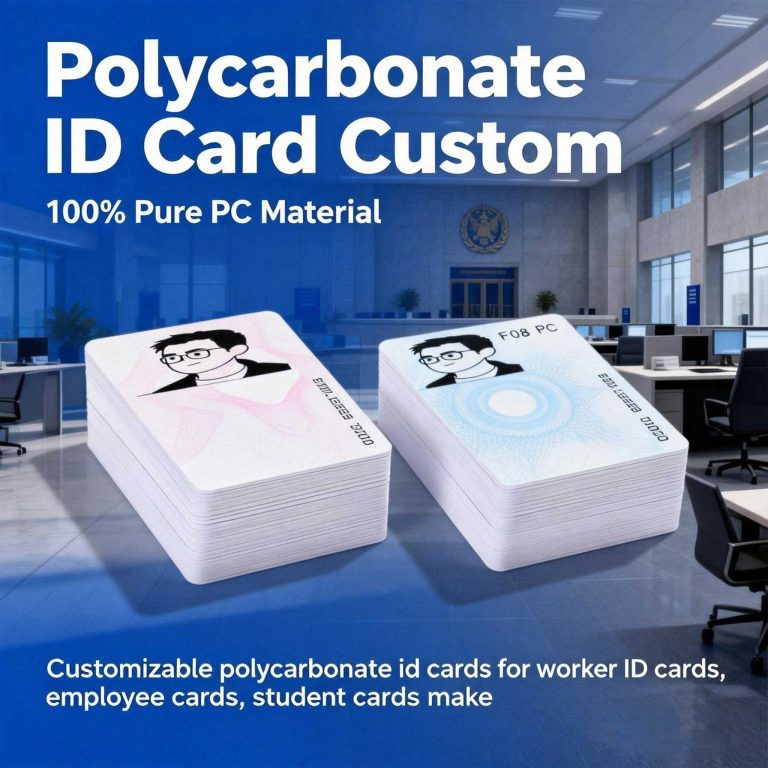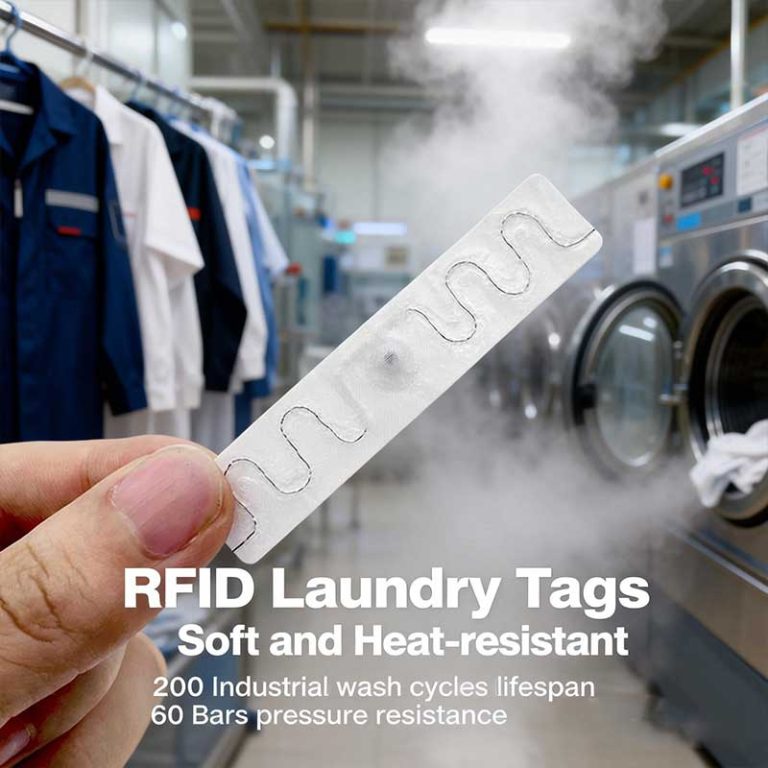

In modern authentication and security identification systems, the durability, security, and reliability of cards have become core criteria for industry selection. While traditional PVC cards offer certain cost advantages, their physical strength is limited. Under frequent use or harsh environments, they are prone to issues such as bending, cracking, and edge wear, with a typical lifespan of only 3 to 5 years. Conversely, polycarbonate (PC) RFID cards, leveraging their superior material properties, are increasingly becoming the preferred choice for high-end applications across government, finance, healthcare, and enterprise sectors.
PC RFID cards exhibit outstanding impact resistance and abrasion resistance. They maintain structural integrity even under conditions of frequent insertion/removal, drops, or bending, resisting deformation, softening, or brittle fracture. They exhibit a broad temperature tolerance, withstanding short-term exposure to 85-95°C while maintaining good low-temperature resistance and moisture protection, adapting to diverse climates and environmental conditions. Under normal use, PC cards can last 10 to 15 years or longer, far exceeding industry standards and significantly reducing long-term operational costs associated with frequent card replacement.
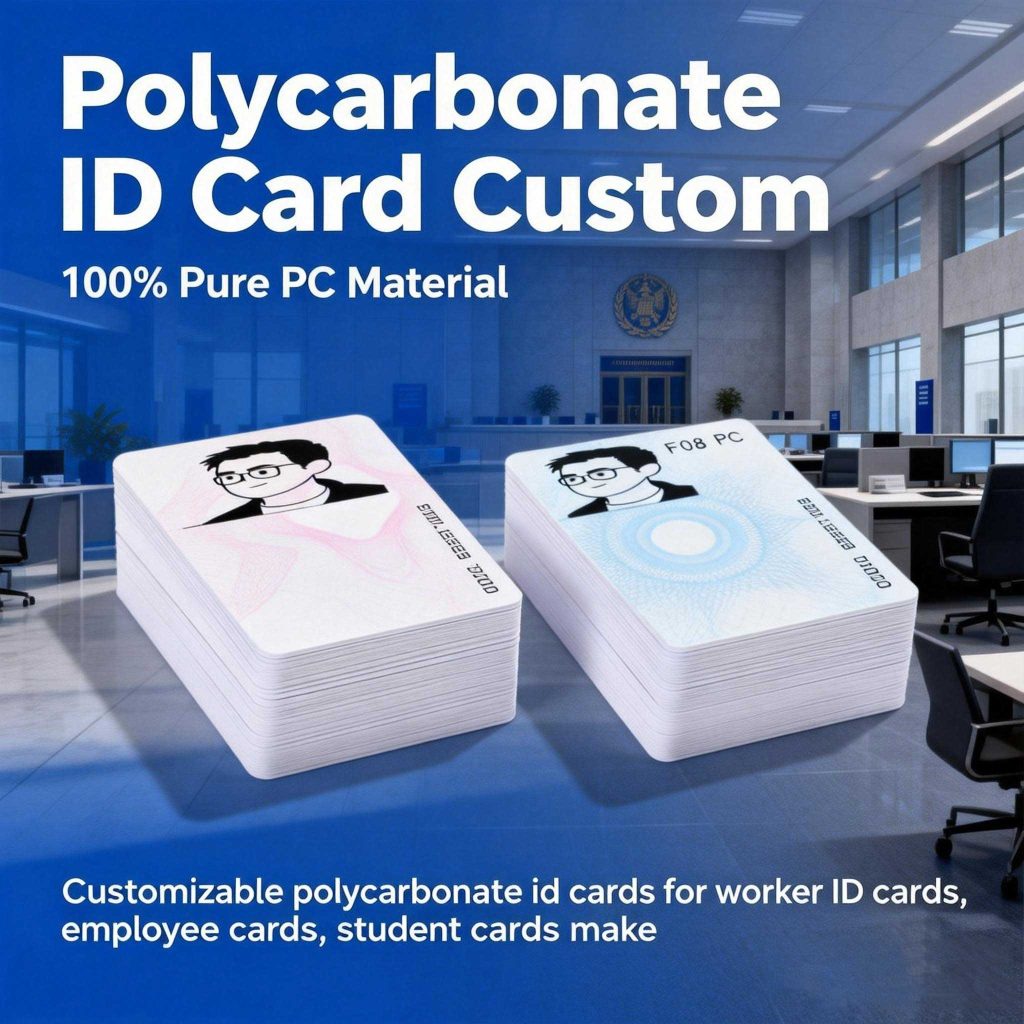
In anti-counterfeiting and tamper-proofing, PC cards demonstrate distinct advantages. Their surfaces support permanent laser engraving technology, enabling high-precision, high-contrast imprinting of photographs, text, patterns, and edge data—information that cannot be erased or naturally fade. Additionally, PC cards can integrate multiple advanced anti-counterfeiting techniques, such as optically variable inks (OVI), microtext, and guilloche patterns, further elevating the security level of identity credentials. In contrast, PVC cards often exhibit blurring or fading after laser engraving, resulting in anti-counterfeiting effectiveness and durability that cannot match PC cards.
PC cards feature a standard thickness ranging from 0.86 to 1 millimeter, balancing tactile quality with practicality. They are widely adopted in high-security applications such as national ID cards, medical ID cards, driver’s licenses, electronic passport data pages, employee ID cards, and student ID cards. As global demand for identity security and data longevity continues to rise, polycarbonate RFID cards deliver enduring reliability to users and institutions through their comprehensive performance: exceptional durability, extended lifespan, and top-tier anti-counterfeiting capabilities.