
In the current wave of smart manufacturing transformation, RFID tags are emerging as a key technology enabling automated data capture on production and assembly lines in large and medium-sized manufacturing enterprises. By installing industrial-grade RFID tags on carriers such as pallets, work boards, and containers, and deploying RFID readers at critical workstations, companies can seamlessly integrate RFID systems with their MES platforms. This enables unmanned, automatic, and real-time identification of products throughout the production process, significantly improving manufacturing automation, reducing manual operations, and eliminating data reading errors and omissions caused by human factors. As a result, MES systems operate more efficiently and reliably in production and assembly line information management.
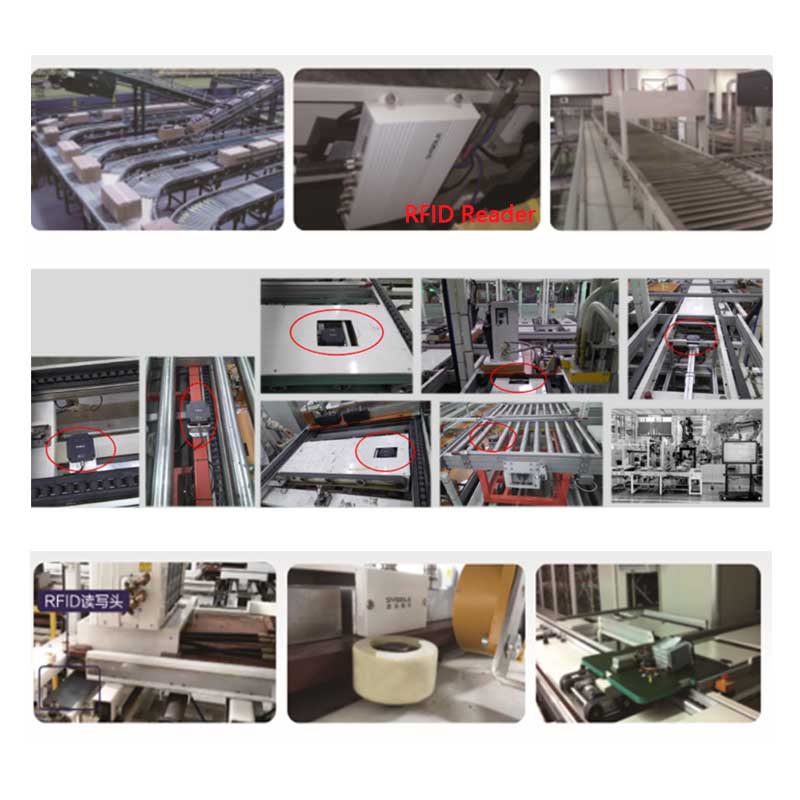
RFID-based shop floor management goes beyond simple real-time identification of individual products. From the moment a product enters the line until it is finished, RFID enables full-process automated tracking and control, including real-time data collection, automated equipment integration and control, material error-proofing in mixed-model production, real-time push of process instructions, automatic rejection and diversion of defective units, automated quality report generation, full traceability management, and alarm triggering during mixed-model line changeovers. Through data-driven operations, manufacturers achieve unprecedented transparency, flexibility, and traceability in production.In practical deployment, RFID readers are typically installed at key stations along the production or assembly line, using industrial-grade hardware designed for harsh factory environments—featuring resistance to interference, high temperatures, dust, and moisture. Paired with middleware software, the RFID system serves as an information bridge between the MES platform and shop floor automation equipment, ensuring real-time, accurate transmission of production instructions and feedback data. This end-to-end digital information flow not only optimizes production scheduling and resource allocation but also lays a solid technological foundation for building smart factories.